Hybrid Work Is Doomed
Many people returning to the office are finding the readjustment challenging. Read the blog to gain insight on why the return may be more about the office as an institution and less about productivity concerns.
Is hybrid work truly effective?
While hybrid work offers flexibility and can enhance employee satisfaction, the text suggests that the traditional office remains a significant institution. Companies often prioritize the office environment over individual preferences, which may limit the effectiveness of hybrid models. Employees have reported feeling just as productive working from home, but the office's role in shaping work culture and identity complicates the transition to hybrid work.
What are the historical roots of the office?
The office has a long history, originating from monasteries where monks performed skilled labor. Over time, it evolved into a space for administrative tasks and bureaucratic roles, shaping labor organization and work culture. The office has become a central institution in modern life, influencing how work is structured and perceived, and continues to play a crucial role in defining employee identity.
What challenges do companies face in adopting hybrid work?
Companies face significant challenges in adopting hybrid work due to the ingrained values of the office as an institution. The text highlights that the office imposes structure and identity on workers, making it difficult to embrace flexibility. While some employees advocate for hybrid models, the traditional office culture often resists change, leading to potential conflicts between employee desires for flexibility and organizational expectations.
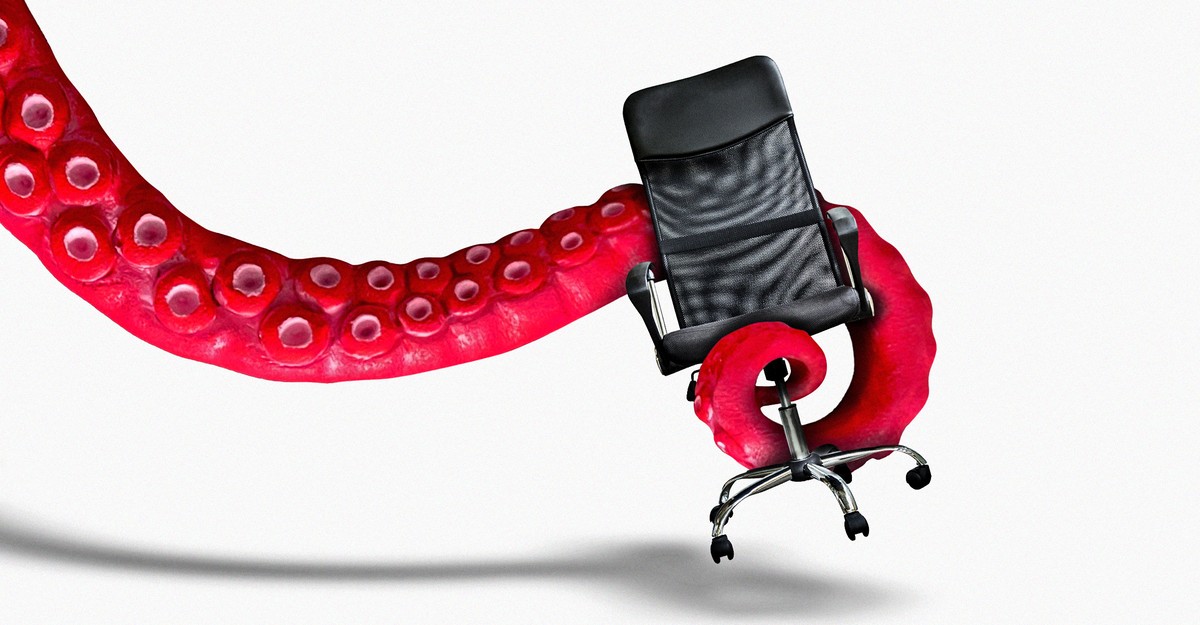
Hybrid Work Is Doomed
published by Meijun
Meijun providing a proactive strategy to improve both your IT operations and overall business efficiency, while meeting security and compliance requirements. By leveraging this approach, your business can optimize productivity and efficiency, leading to significant growth and advancement.
.png "Meijun")



 Sign in with LinkedIn